
With the development of modern furniture and architectural lighting, sensors have become an important functional component in LED lighting systems. By enabling automatic and intuitive control, sensors help improve convenience, energy efficiency, and overall user experience.
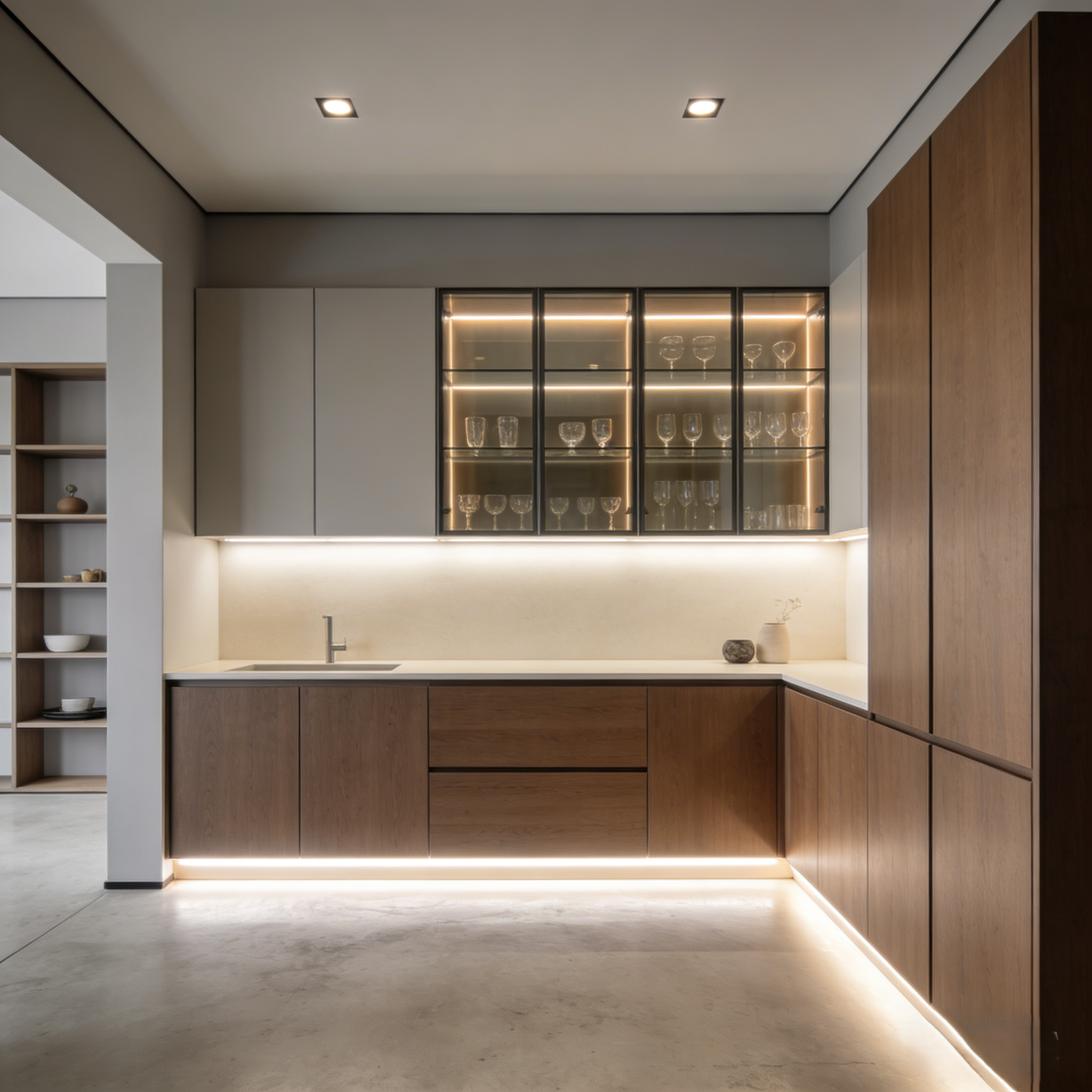
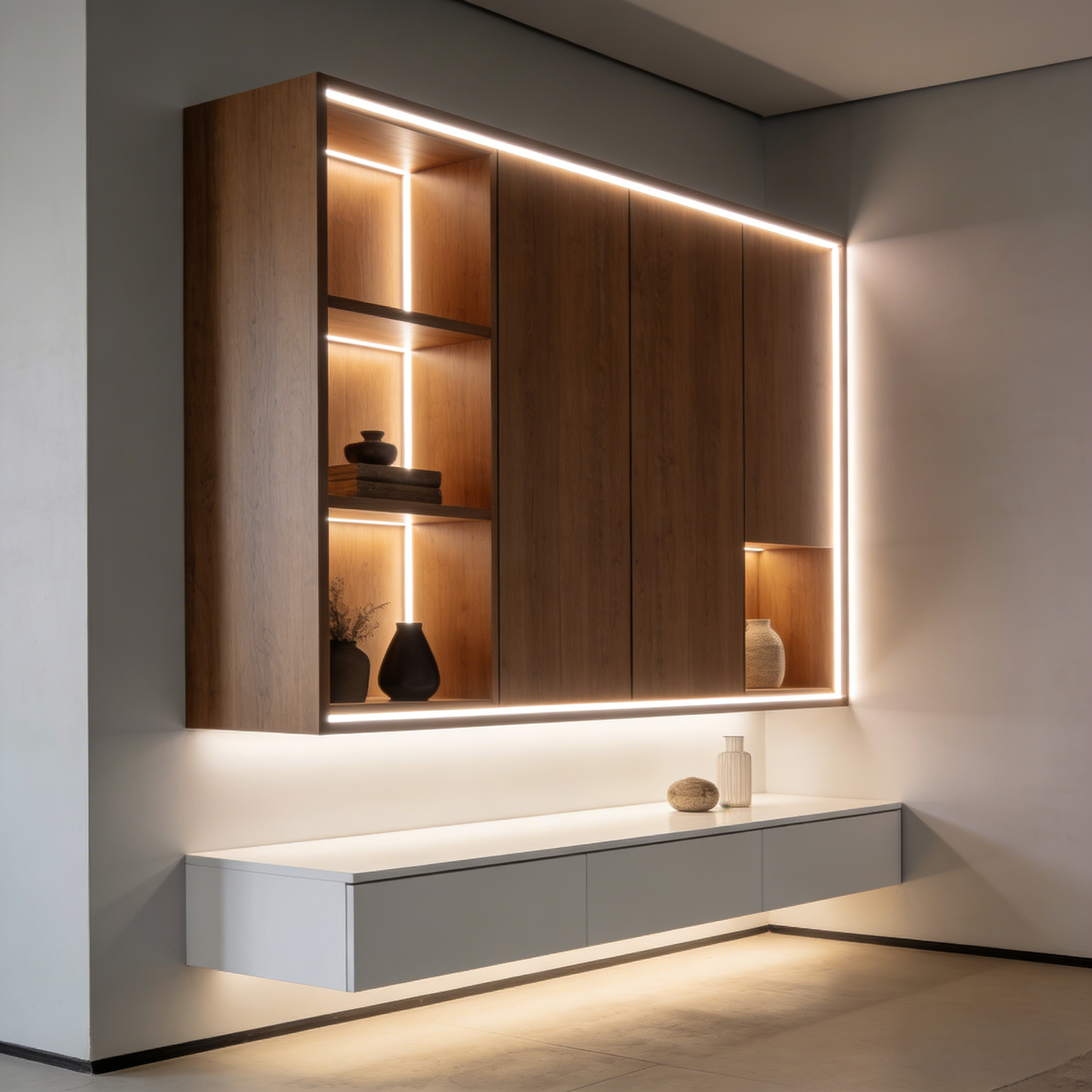
In furniture and lighting applications, sensors are commonly integrated with LED strips, drivers, and aluminum profiles, allowing lighting to respond naturally to user actions such as touch, motion, or door movement.
Sensor Functions & Value
Sensors are widely used to support basic lighting control functions, including:
-
Automatic ON / OFF control
-
Smooth brightness adjustment
-
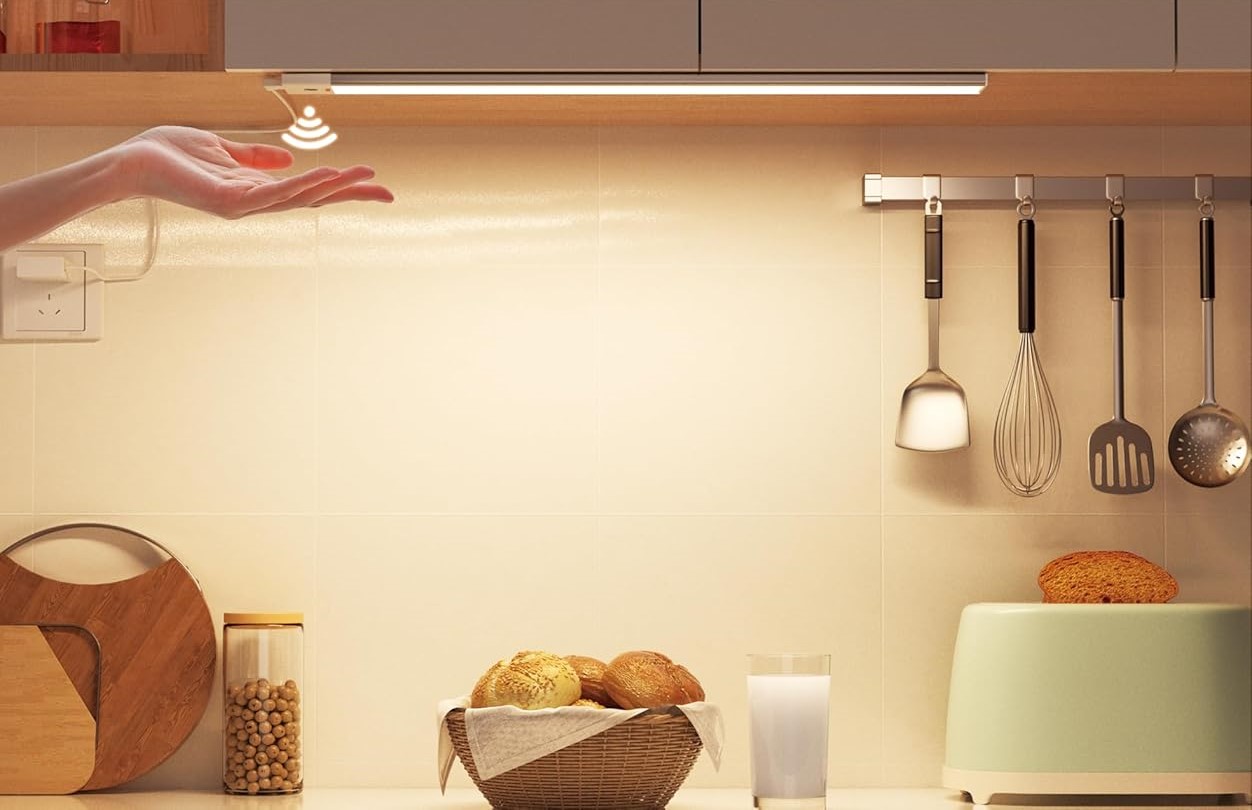
Touch-free or concealed operation
-
Reduction of unnecessary energy consumption
Compared with traditional mechanical switches, sensor-based control helps simplify product design while improving usability and system integration.
Typical Applications
Sensor-controlled lighting solutions are commonly applied in:
-
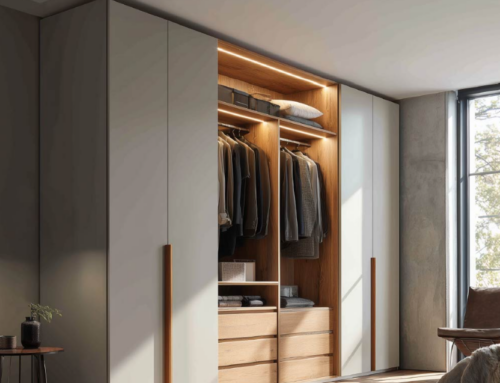
Cabinets and wardrobes
-
Kitchen and bathroom furniture
-
Shelves and display units
-
Residential and commercial interior lighting
In these applications, sensors contribute to cleaner designs and more intuitive lighting behavior without changing the appearance of the furniture or space.
All kinds of sensors in our range:
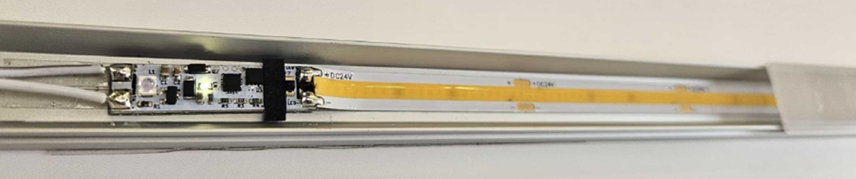
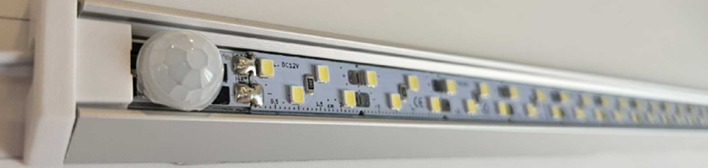
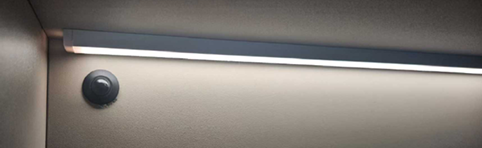
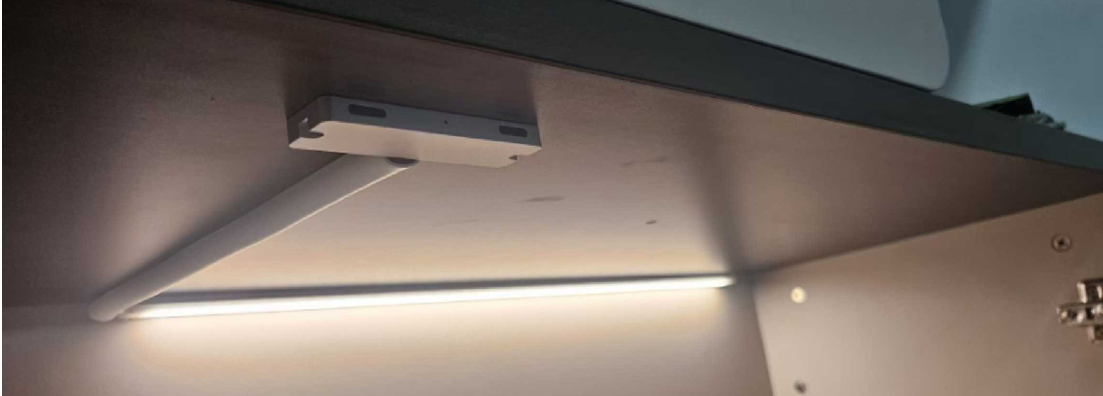
Most sensors used in furniture lighting systems are designed for compact installation,
wide voltage compatibility, and stable performance, making them suitable for integration into various LED lighting solutions.
As lighting systems continue to evolve toward smarter and more user-oriented designs, sensors are playing an increasingly important role in modern furniture and LED lighting applications.
Leave A Comment