
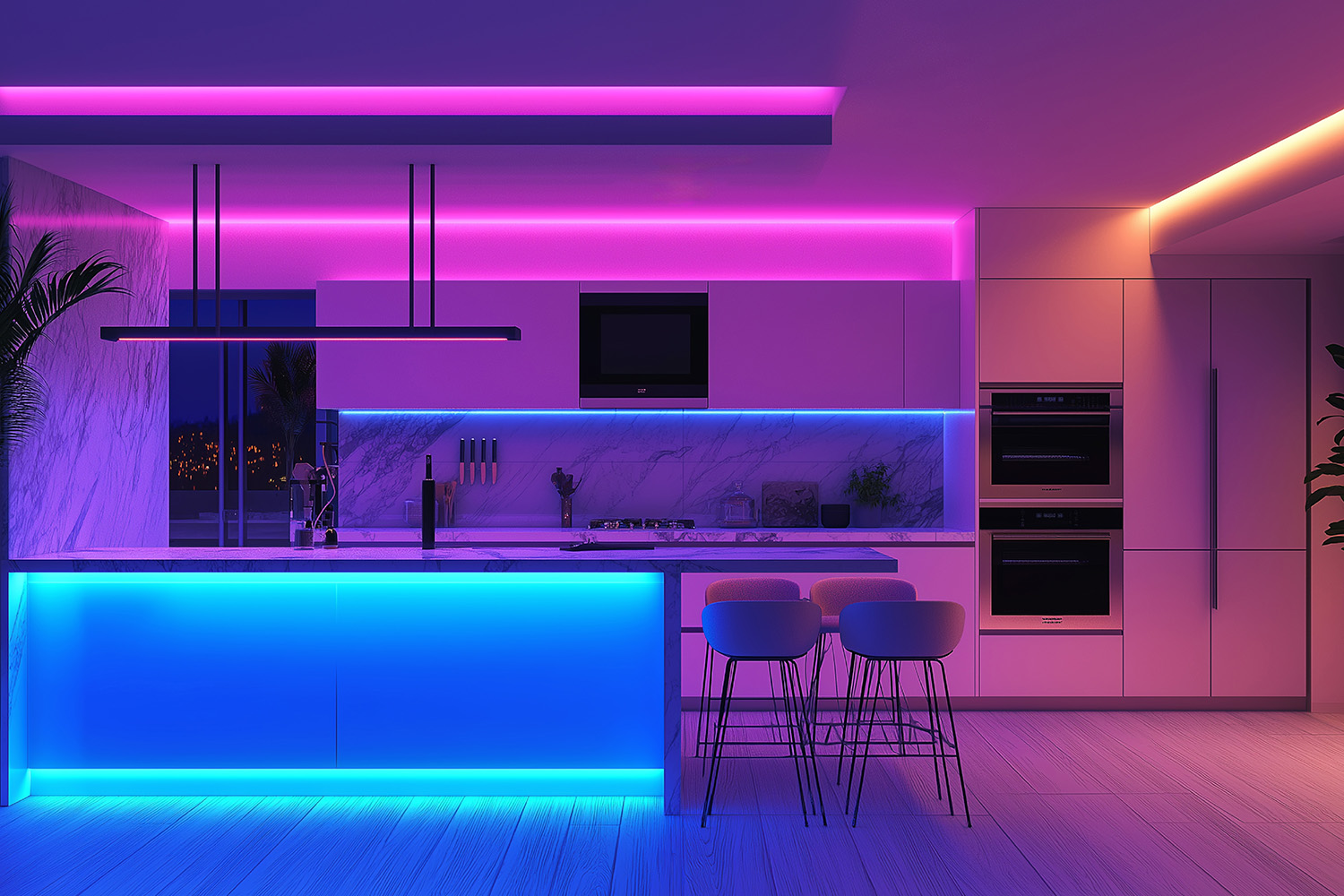
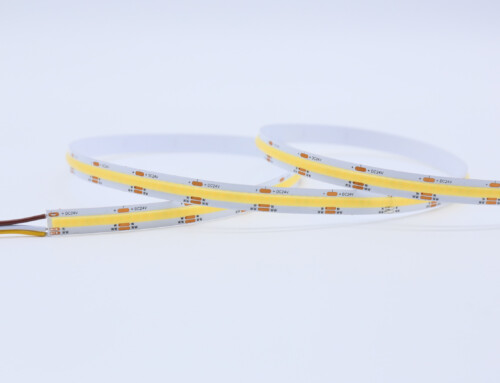
At first glance, a standard LED strip and a smart LED strip look almost identical. Both use flexible PCB boards and LED chips as their light source.
The real difference lies in how the light is controlled.
-
Standard LED strips
Controlled by a wall switch or power plug, with limited functionality -
Smart LED strips
Controlled via mobile apps, remote controls, or voice assistants, supporting dimming, color adjustment, timers, and lighting scenes
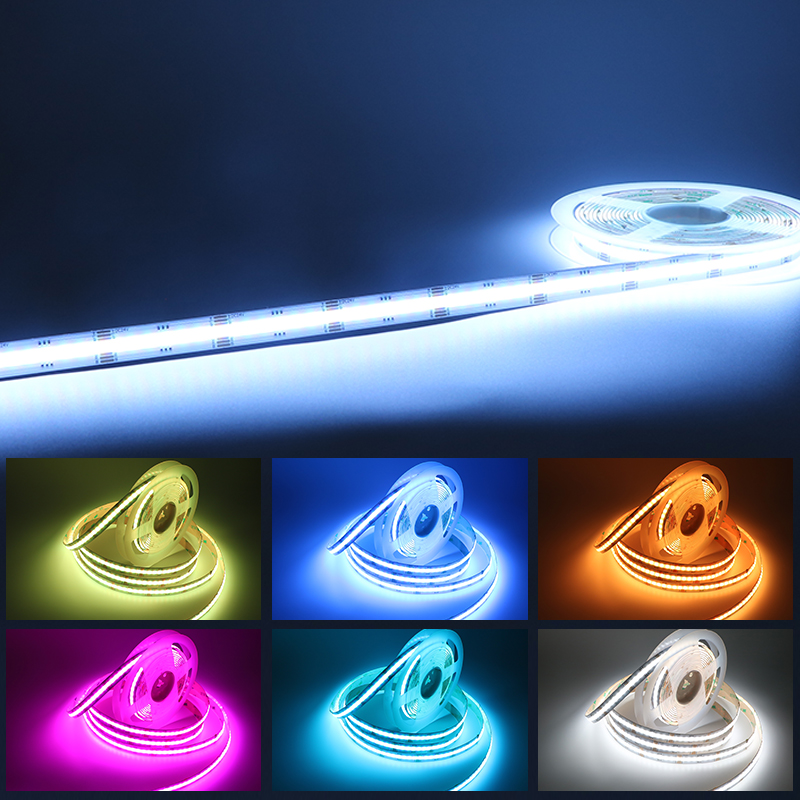
The good news is:
You don’t need to replace the LED strip itself to make it smart.
For advanced control → Smart LED controllers
Suitable for
-
Users who want full smart lighting functionality
-
Applications requiring dimming, color changes, or dynamic effects
Required components
-
Smart LED controller
-
Existing LED strip
-
Existing power supply
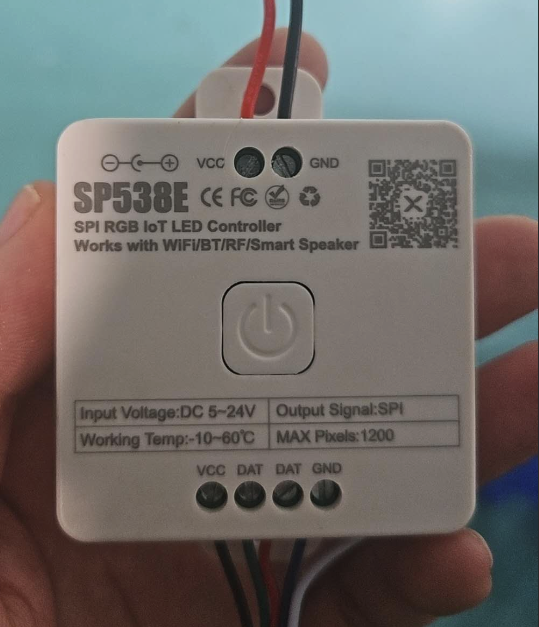
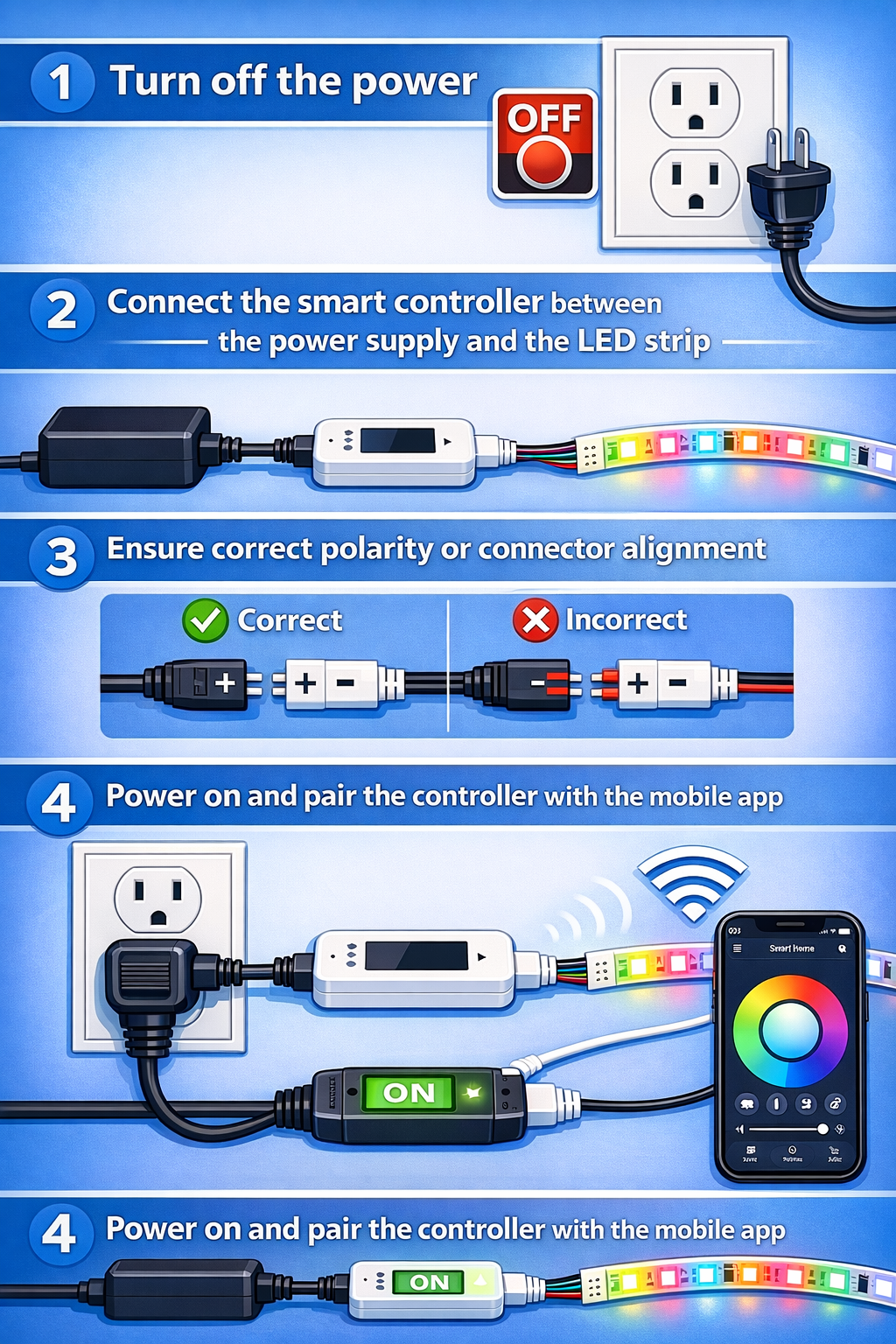
Installation steps
-
Turn off the power
-
Connect the smart controller between the power supply and the LED strip
-
Ensure correct polarity or connector alignment
-
Power on and pair the controller with the mobile app
Available functions
-
Remote on/off control
-
Brightness and color adjustment
-
Multiple lighting effects
-
Timers and scene settings
-
Voice assistant compatibility (model dependent)
✅ This is the most flexible and feature-rich upgrade solution.
For simple remote switching → Smart plugs
Suitable for
-
Single-color LED strips
-
Users who only need remote on/off control
Required components
-
Smart plug or smart switch
-
Existing LED strip and power supply
How it works
-
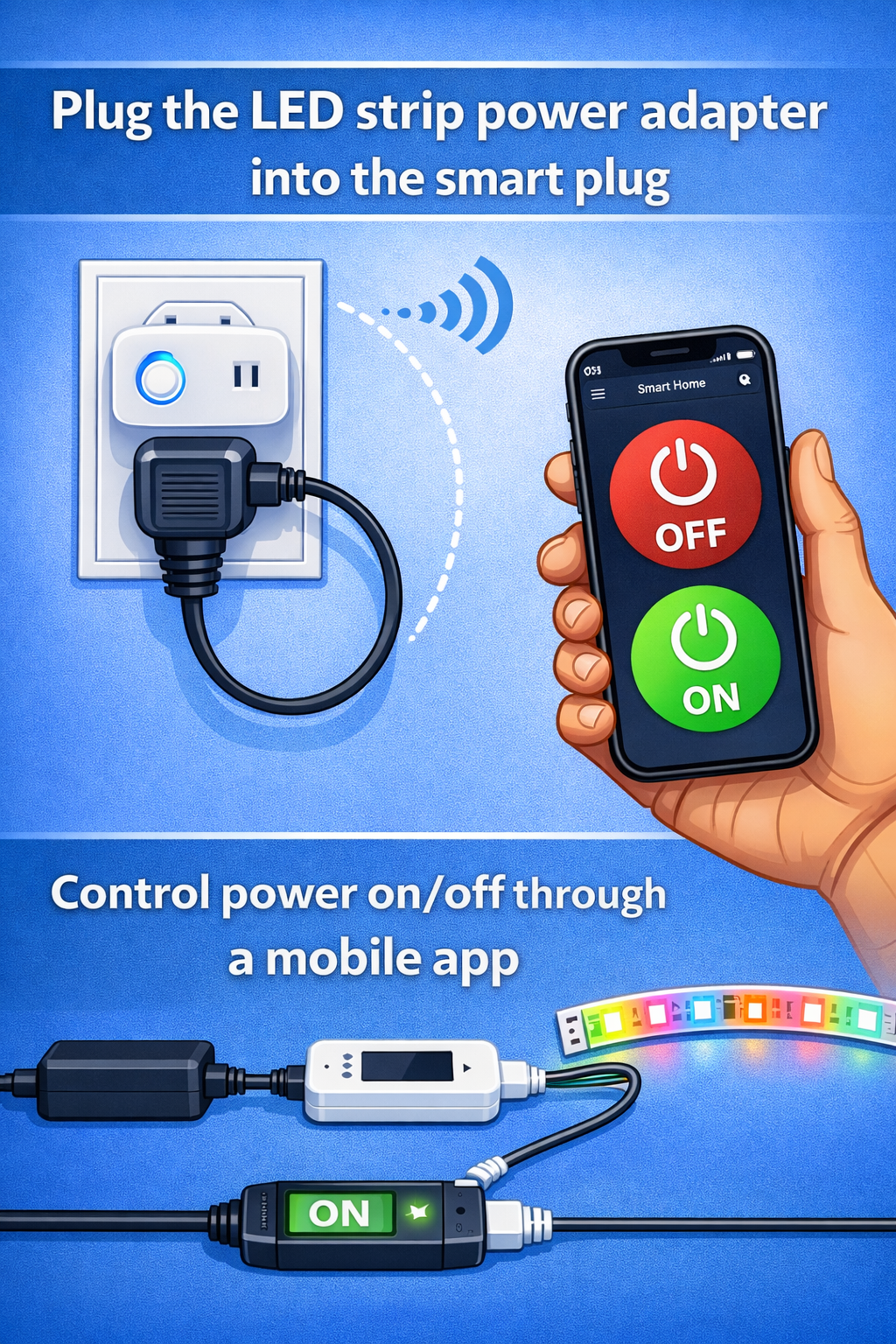
Plug the LED strip power adapter into the smart plug
-
Control power on/off through a mobile app
Advantages
-
Very easy to install
-
Cost-effective
Limitations
-
No dimming
-
No color adjustment
⚠️ Best suited for basic lighting control scenarios.
For basic convenience → Remote control solutions
Suitable for
-
Non-networked environments
-
Fixed-use areas
Features
-
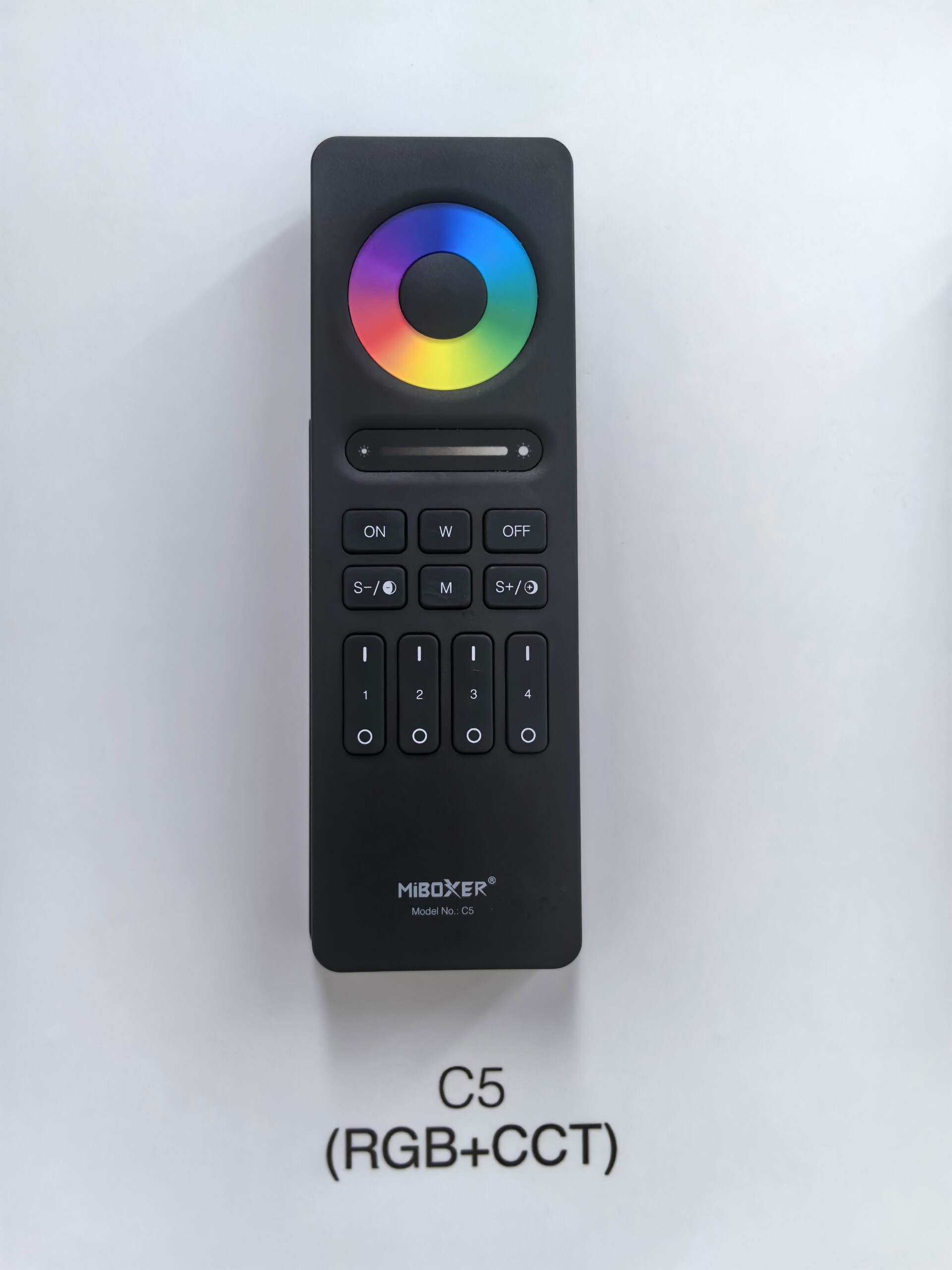
On/off control
-
Basic brightness or color adjustment
Notes
-
Requires line-of-sight or limited operating distance
-
Functionality is relatively basic
This option is often used for decorative or localized lighting.
DIY Advanced Smart Lighting (For Experienced Users)
Suitable for
-
Users with electronics or programming experience
-
Projects requiring advanced lighting effects
Characteristics
-
High flexibility
-
Supports music sync, sensor interaction, and custom animations
⚠️ Installation and setup are more complex and not recommended for beginners.
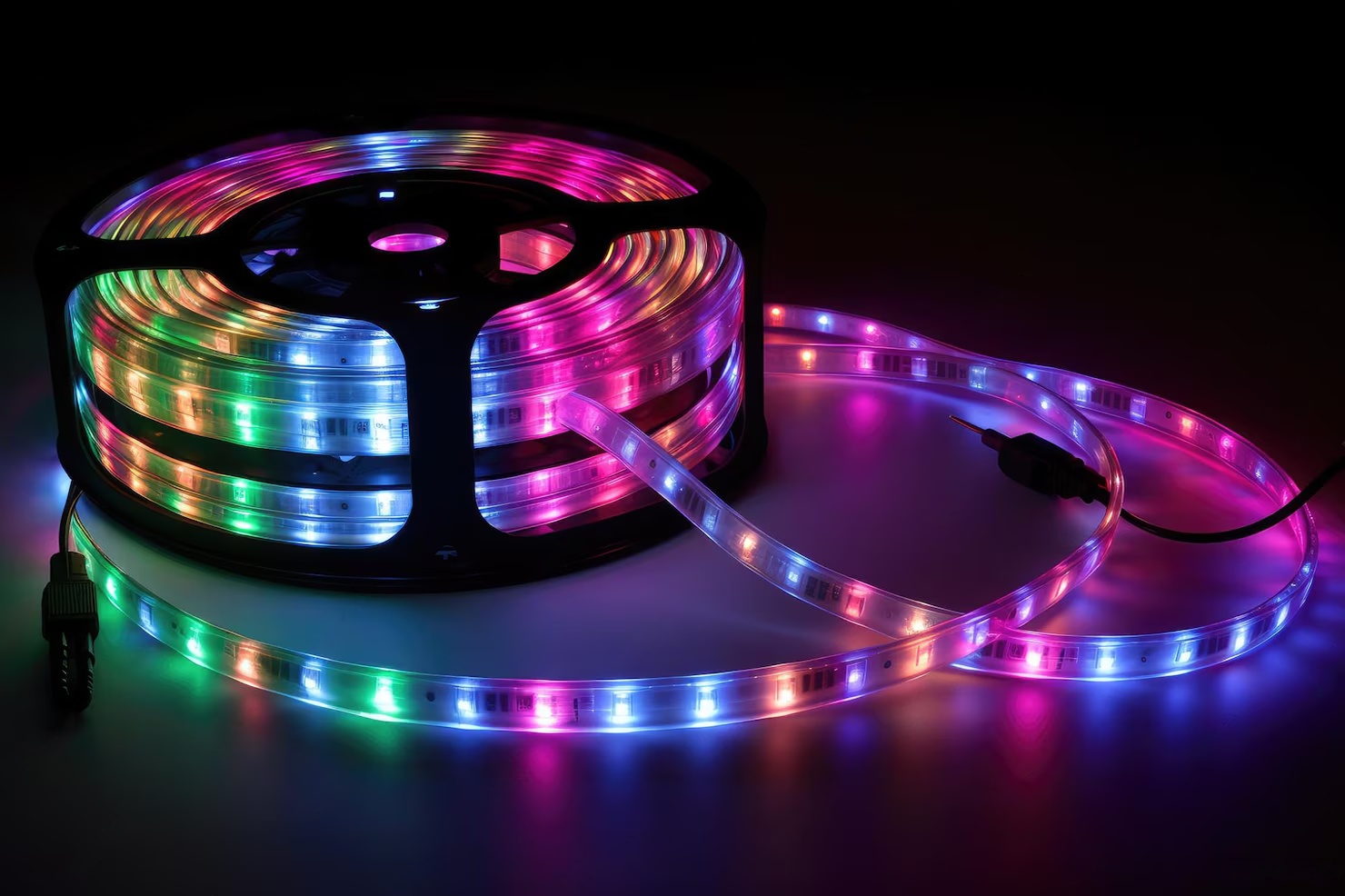
A standard LED strip does not have to remain basic.
By upgrading the control method, existing LED strips can easily become part of a smart lighting system without replacing the light source itself.


Leave A Comment